Fishing for Basa - Part 1
7/12/2026
Pangasius
Pangasius is a genus of medium-large to very large shark catfishes native to fresh water in South and Southeast Asia. The term "pangasius" is sometimes used to specifically refer to the commercially important basa fish, P. bocourti.[1]
Source: Wikipedia
Pangasius bocourti (basa fish)
Basa (Pangasius bocourti), as it is commonly referred to, is a species of primarily freshwater-dwelling catfish in the shark-catfish family, Pangasiidae, native to the Mekong and Chao Phraya river basins of Mainland Southeast Asia.[2]
Source: Wikipedia
Description
The body of the basa is stout and heavy. The rounded head is broader than it is long, with the blunt snout having a white band on its muzzle. This species grows to a maximum length of 120 centimetres (47 inches).[2]
Source: Wikipedia
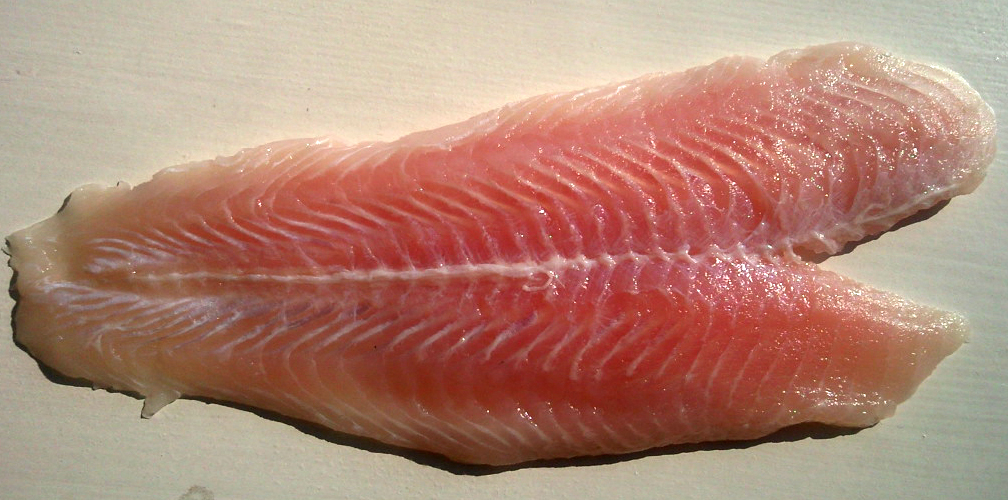
Basa fillet
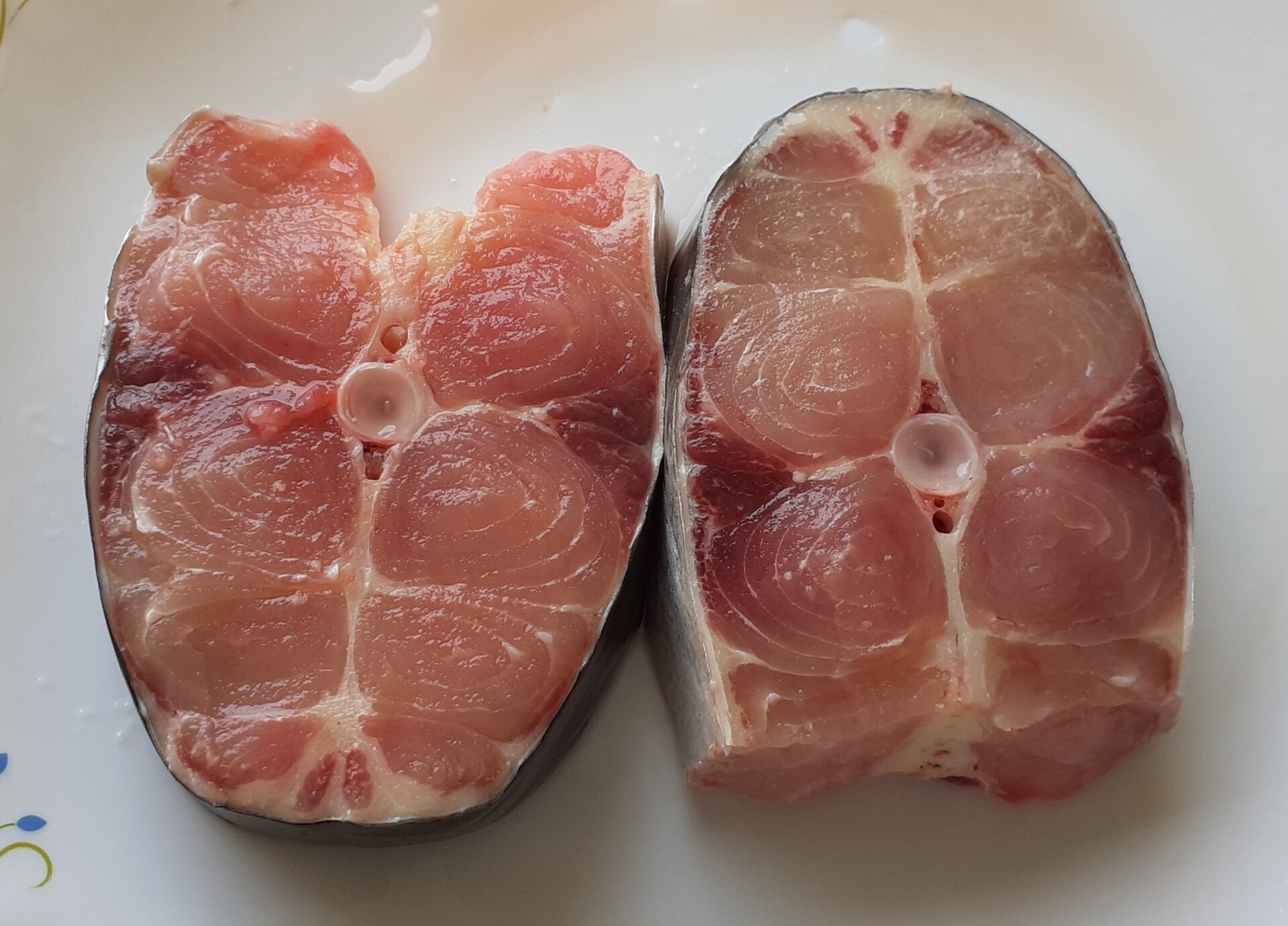
Basa steaks
Concerns with farming basa
Several environmental organisations specialising in marine ecosystems have raised concerns surrounding basa; OceanWise, an environmental group associated with Canada's Vancouver Aquarium, has flagged farmed basa for its potential pollution of ecosystems and interference with wild species.[20] The group stated: "Open cage farming in Southeast Asia is associated with disease transfer to wild basa. There are also concerns about feed quality, farm operating standards and the biological impact of using wild stock for culturing."[20] The Monterey Bay Aquarium in California currently lists the species in its "red flag" or "avoid" category.[21] Both groups cite USA-farmed catfish as a more sustainable alternative.
Source: Wikipedia